
Working In vs. Working For a Community: Why the Difference Matters

The words we choose reflect what matters to us. While working in a community and working for a community may sound alike, they actually mean different things.
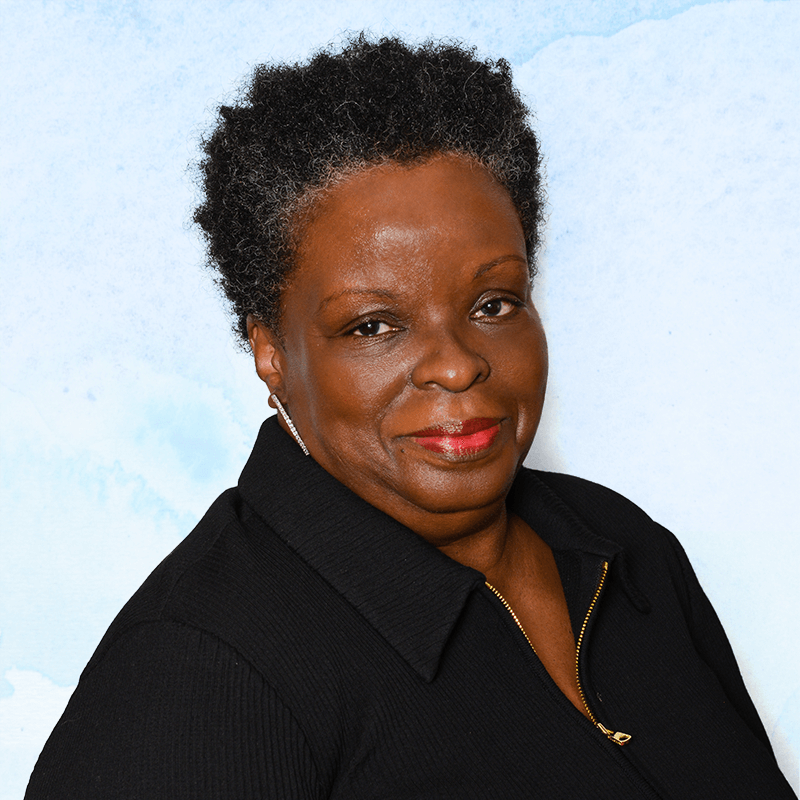
VP, NICHQ
Working in a community means you are part of it. You build relationships, share spaces, and take part in daily life. This approach is about working together. It requires listening, being humble, and learning from those who are most affected. Instead of bringing in ready-made solutions, you create them together. Trust matters, and everyone is responsible. In contrast, working for a community often means helping from the outside. Even with the best intentions, this can create distance and a sense of hierarchy. Decisions might be made without truly understanding people’s experiences, and community members may feel like recipients rather than partners.
This difference matters a lot in public health, where people’s lives are directly affected. Projects created without community input can fall short, even if they have plenty of resources and good intentions. But when work is rooted in the community, it is usually more responsive, culturally relevant, and lasting. In the end, the real goal is to change how we see things, not just how we talk about them. Shifting from working for communities to working in and with them means seeing communities as sources of knowledge, strength, and leadership, not as problems to fix.
We at NICHQ understand that the most lasting change comes when people are not just served, but truly seen, heard, and included in shaping their own futures. We also understand that this type of lasting change requires a level of commitment from community-based organizations across this country, like the ones we have the honor of working with in our Community-Centered Hospital Initiative. We are pleased to announce that we have secured all six sites located in the following six states: California, Kansas, Missouri, Mississippi, Ohio, and New York. And we are looking forward to highlighting each CBO in each state in the months to come, recognizing that they have been, are, and will continue to be the driving agents of change.