
Rare Disease Day
More Than You Can Imagine
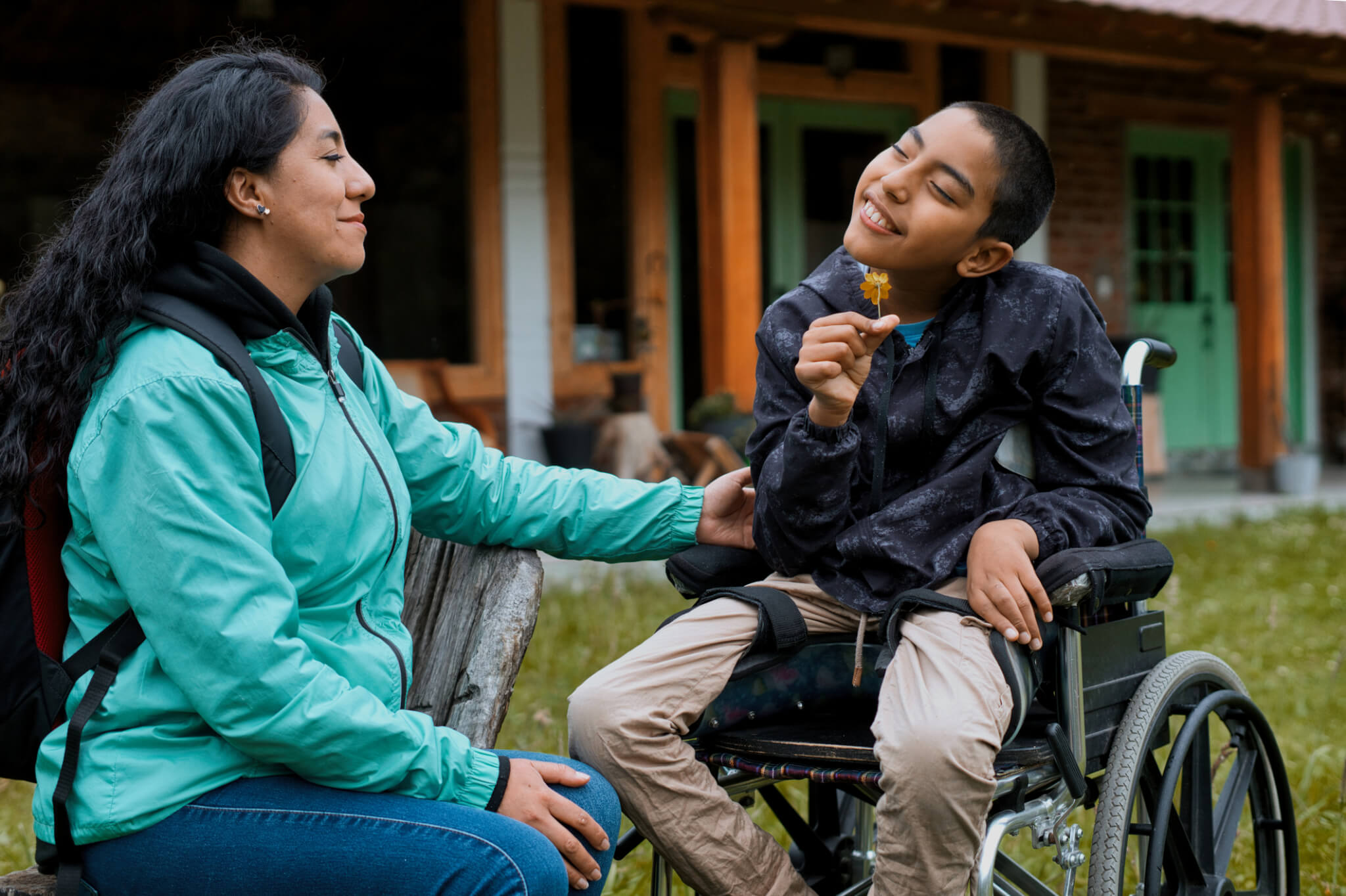
February 28 is Rare Disease Day. Despite being considered ‘uncommon,’ there are more than 6,000 rare diseases that impact hundreds of millions of people globally. Almost three-quarters of genetic rare diseases develop during childhood. Join NICHQ in raising awareness about rare diseases to help improve the lives of countless people worldwide.
No One Left Behind
Ensuring ALL Individuals Have Access to Specialized Care
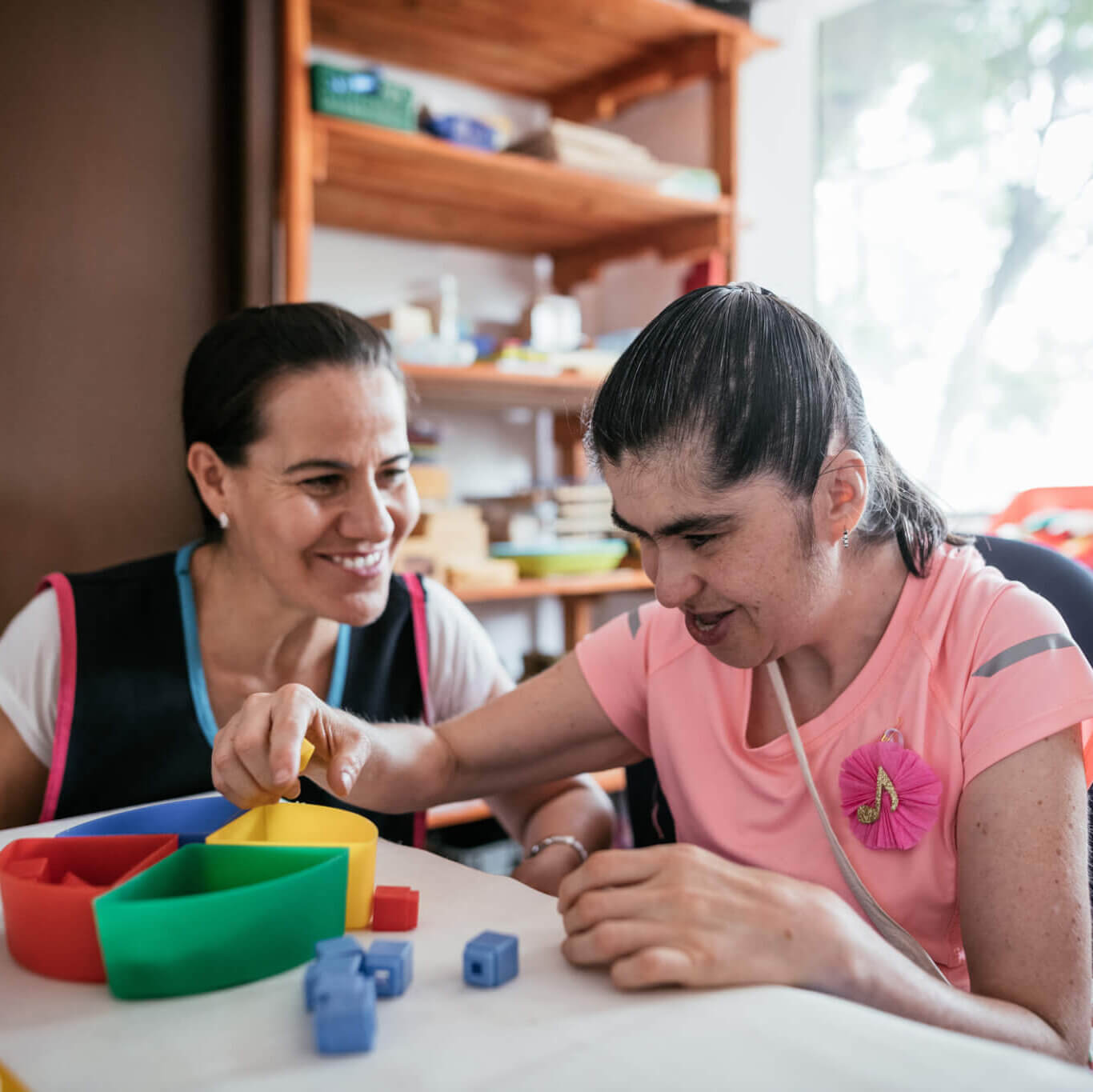
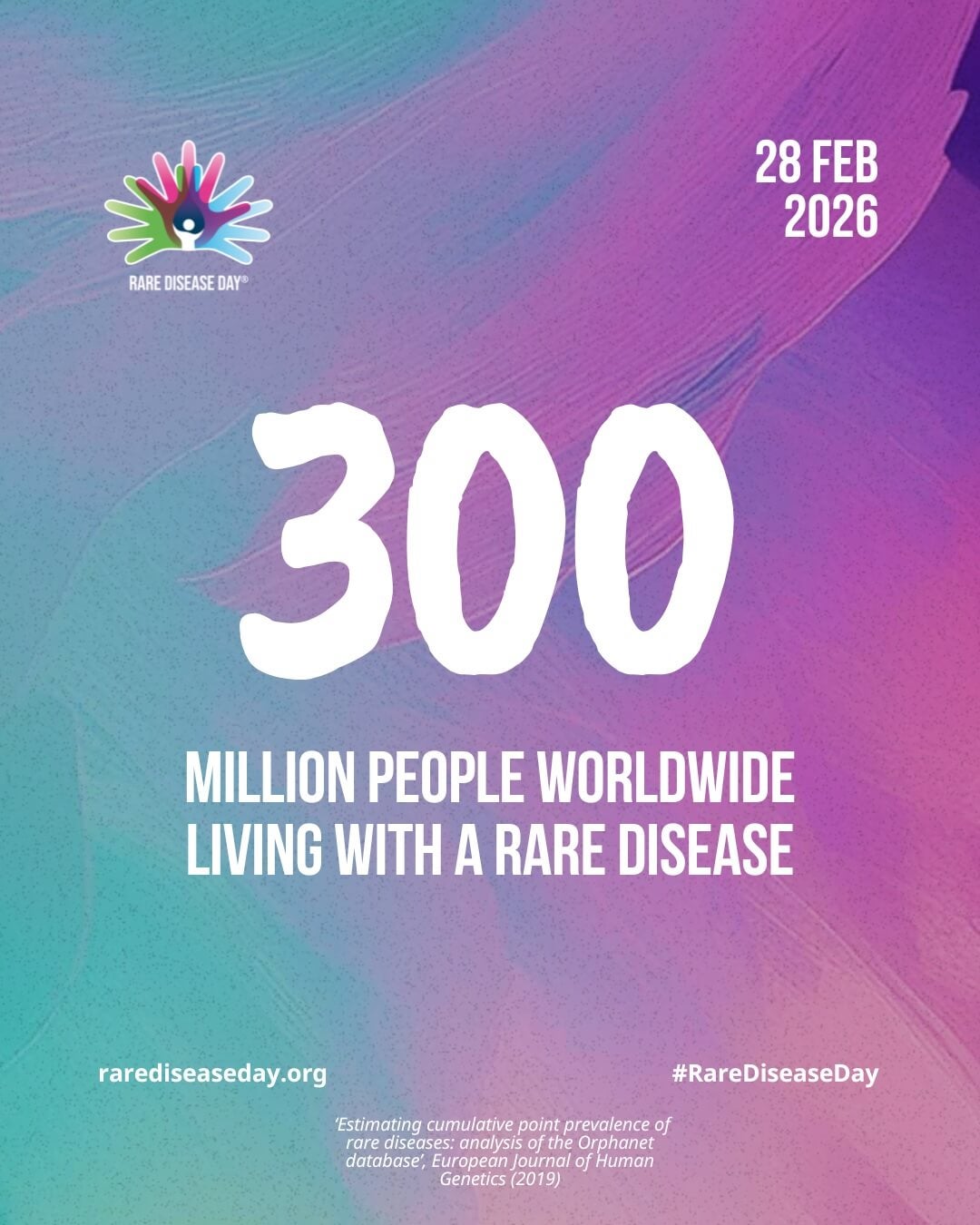
According to Rare Disease Day, a disease is deemed rare when it impacts fewer than 1 in 2,000 people. More than 300 million people are living with a rare disease, which is roughly 5% of the world’s population. Conditions and symptoms not only vary between diseases, but also among individuals with the same diagnosis. 72% of rare diseases are genetic, and of these, 70% begin in childhood.
Many individuals living with a rare disease have limited treatment options. Rare Disease Day raises awareness about these experiences to promote access to timely, high-quality care for those affected by rare diseases.
NICHQ INitiatives
Our Rare Disease Work
NICHQ is committed to increasing access to high-quality care for mothers, children, and their families. We’re grateful to have insight from a diverse team of experts on these project-related rare disease initiatives.





Spread the Word
Rare Disease Day Social Media Toolkit
Share these ready-to-use graphics and posts to raise awareness, instigate change for people living with rare diseases, and encourage people to share their colors.
Rare Disease Day Toolkit
Support the advancement of research, education, and advocacy
Publications
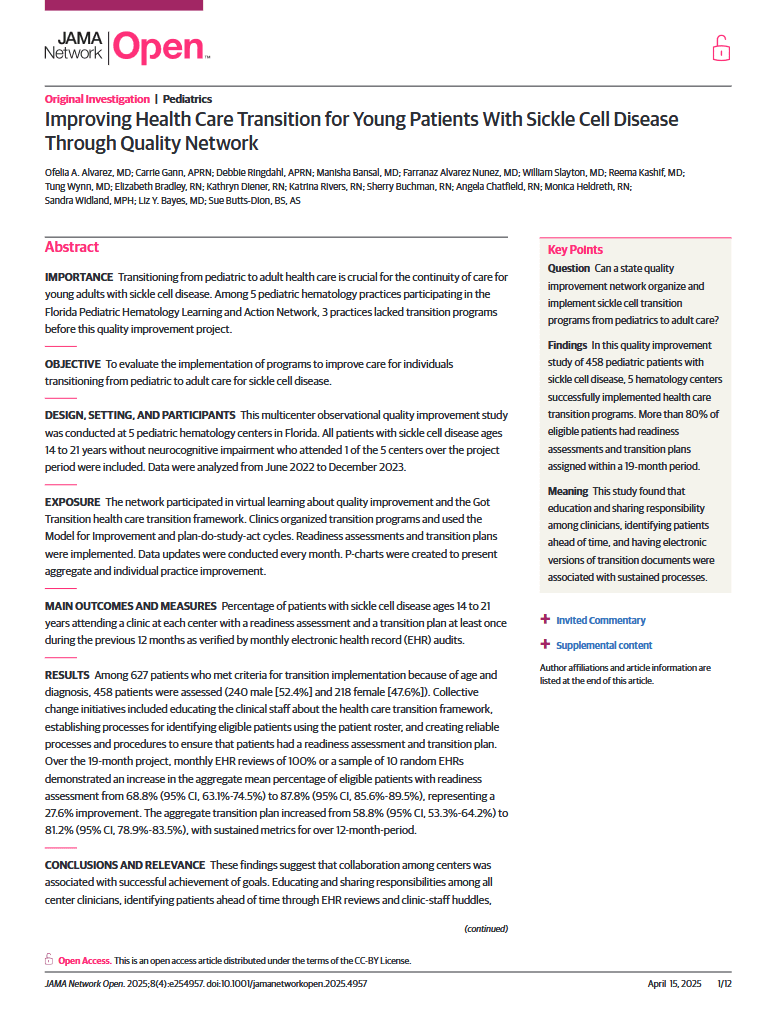
Improving Health Care Transition for Young Patients With Sickle Cell Disease Through Quality Network
JAMA NETWORK OPEN
Transitioning from pediatric to adult health care is crucial for the continuity of care for young adults with sickle cell disease. Among 5 pediatric hematology practices participating in the Florida Pediatric Hematology Learning and Action Network, 3 practices lacked transition programs before this quality improvement project.
Summary
NICHQ’s Florida Children’s Medical Services Learning and Action Network team recently contributed to a study that was published in JAMA. This publication evaluated the implementation of QI programs in five pediatric hematology practices to improve care for youth living with sickle cell disease and aid in the transition from pediatric to adult health care. The study found that collaboration among centers, sharing responsibilities across clinicians, identifying patients in advance using electronic health records and clinic-staff huddles, and having electronic readiness assessments and dot phrases were indicative of successful and sustained outcomes.
NICHQ Insights
Reading List for Rare Disease Day
At NICHQ, we are committed to making access to high-quality care the national norm. Check out our insights to learn how you can support this initiative.

NICHQ News
Stay in the Loop
Get information on observances like Rare Disease Day and other NICHQ news delivered directly to your inbox.