
NICHQ Employee Spotlight: D’Ondria Mullins
Each month, we’re shining a spotlight on a NICHQ employee, asking them to share their memories, advice, and goals. This month, D’Ondria Mullins, the Kansas Community Engagement Coordinator for NICHQ’s Community-Centered Hospital Initiative (CCHI), shares her professional goals and career journey thus far.
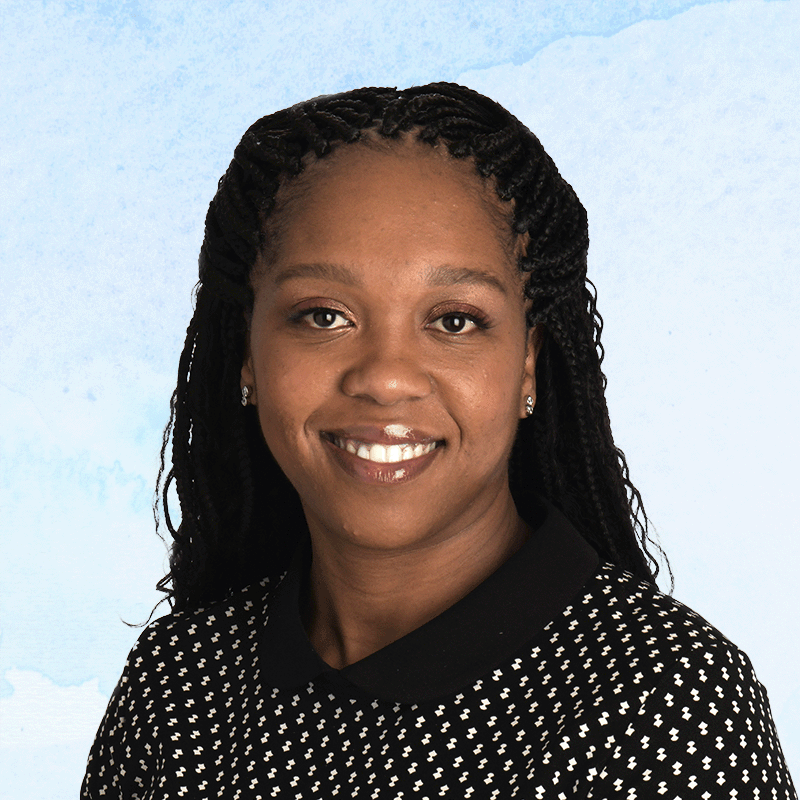
Kansas Community Engagement Coordinator, Community-Centered Hospital Initiative (CCHI)
Full name and title: D’Ondria Mullins
Job Title: Kansas Community Engagement Coordinator
Key Projects: Community-Centered Hospital Initiative (CCHI)
Joined NICHQ: May 2025
How have your background and experiences led you to join a national children’s health organization?
My passion for children’s health is rooted in both my professional and personal experiences. I’ve worked in community health for several years, where I saw firsthand how community factors—like housing, education, and lack of resources—deeply affect a child’s well-being. These encounters fueled my desire to work with an organization that doesn’t just treat illness but focuses on improving these systems to support children and their families holistically. Joining NICHQ, and more specifically CCHI, was a natural extension of my commitment to building healthier communities by ensuring mothers, infants, and families are at the heart of systems change.
You are the Kansas Community Engagement Coordinator for the Community-Centered Hospital Initiative (CCHI). What skills and responsibilities does this role entail?
As a Community Engagement Coordinator (CEC) for Kansas, I serve as a connector by building and sustaining relationships between hospitals, community-based organizations, public health collaboratives, and families. The role demands strong skills in facilitation, community organizing, community-centered communication skills, and coalition-building. I support efforts to create trust-based spaces where power is shared, and community voices shape maternal and infant health strategies. My responsibilities include supporting community partners, helping translate community-identified priorities into action, and ensuring that our initiatives reflect the lived experiences of the people we aim to serve.
How do you define the word ‘community‘?
Overall, community is love. Community is more than a geographic location. It’s a network of relationships, shared experiences, and collective values. It’s where people support each other, advocate for each other, and work together to ensure everyone has the opportunity to thrive. In the context of CCHI, community also means honoring the leadership, knowledge, and resilience of those most impacted by maternal and infant health disparities and ensuring that they’re leading the solutions.
How do you plan to engage with the communities in Kansas, and how will these experiences contribute to your work for CCHI?
My approach is rooted in listening and building trust. I plan to meet people where they are, whether that’s through one-on-one conversations, attending community events, or supporting existing local coalitions. I’ll prioritize authentic relationships and co-create opportunities for dialogue and feedback. These experiences are essential to my role with the CCHI team, as they ensure that the strategies we promote are grounded in the realities, strengths, and needs of the Kansas communities. Through this engagement, we can shift the power, foster accountability, and drive high-quality improvements to maternal and infant health outcomes.
As CCHI starts its second project year, what are some of the goals for the project this year?
In Year 2, our focus is on deepening the impact of the relationships that we built in Year 1. Key goals include strengthening hospital-community partnerships, supporting community-based organizations, such as the Kansas Birth Equity Network team, in leading initiatives that address the root causes of poor maternal and infant health, and promoting fair decision-making practices within health systems. I also aim to elevate community-identified solutions, ensure ongoing feedback loops, and build sustainable, trust-based collaborations that can continue beyond the life of the initiative.
Who or what inspires your professional work?
I’m most inspired by the communities I work alongside—especially the mothers, families, and local leaders, because they’re mothers too. They’ve been in this situation as well. It shows strength, perseverance, and how we can face these systemic barriers together. Their stories, wisdom, and advocacy are what drive my commitment to this work. It’s just inspiring to sit down and hear these voices, to see them one-on-one, and hear their different stories.
I’m also inspired by the movement Dr. Scott is doing with the Ohio Collaborative to Prevent Infant Mortality and how she’s facing different challenges. We’re all coming together to think beyond this system that we have and use our radical imagination.
What does NICHQ’s mission mean to you?
NICHQ’s mission to improve children’s health by improving systems is deeply aligned with my values. It’s a recognition that outcomes don’t change unless systems do, and that communities must be central in that change. It’s about addressing structural barriers, sharing power, and redesigning care around the people it’s meant to serve. To me, the mission is a call to action: to center access to care, elevate community leadership, and ensure every child—and every mother—has the opportunity to live a healthy life.