
Prematurity Awareness Month
Help end preventable preterm birth
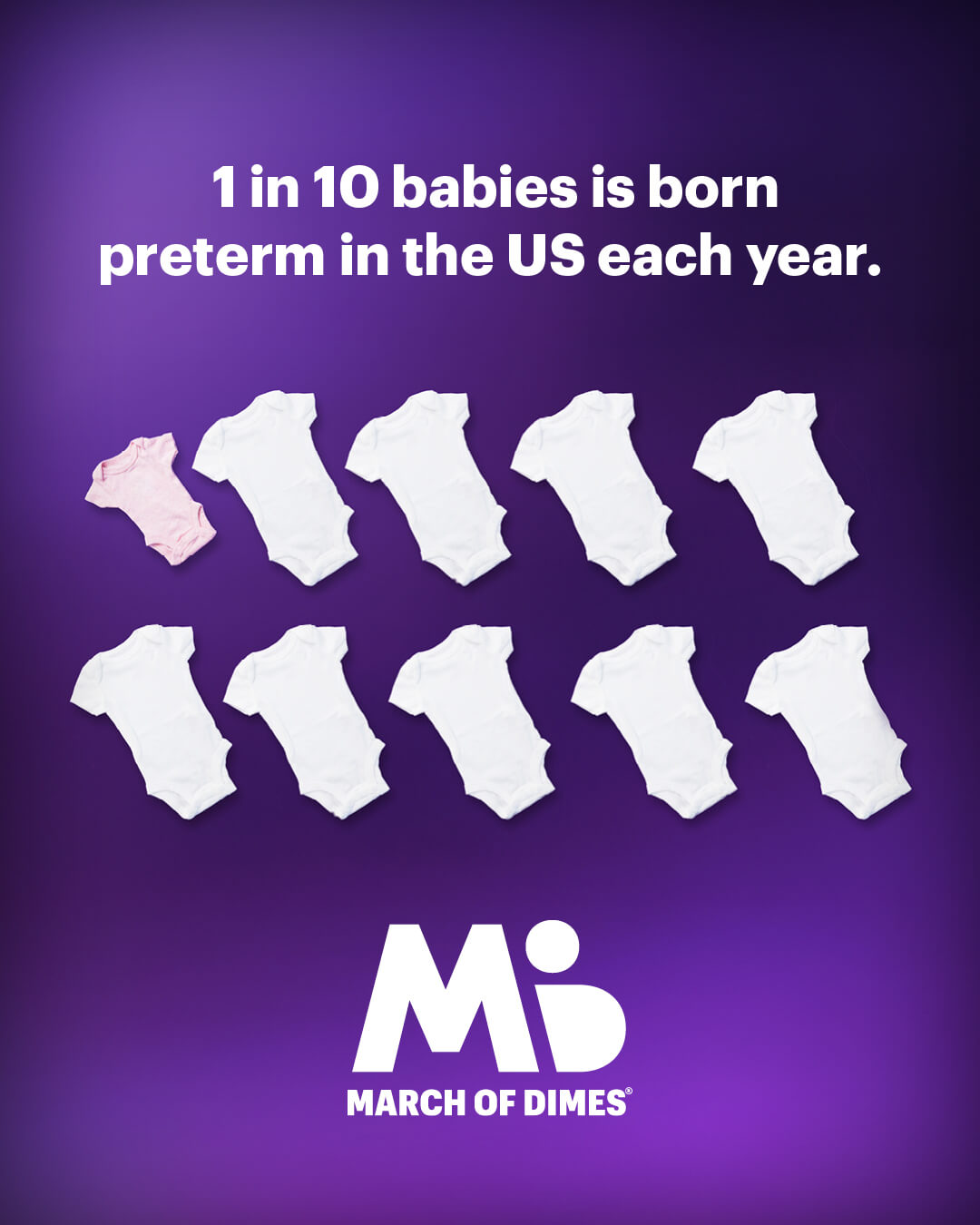
In 2022, 1 in every 10 infants born in the United States was born prematurely, putting them at a higher risk for disability and death. This November, join NICHQ in raising awareness about preterm birth and reducing the risks to improve maternal and child health outcomes.

Supporting Healthy Pregnancies
Protect the Health of ALL Families, Mothers, and Babies
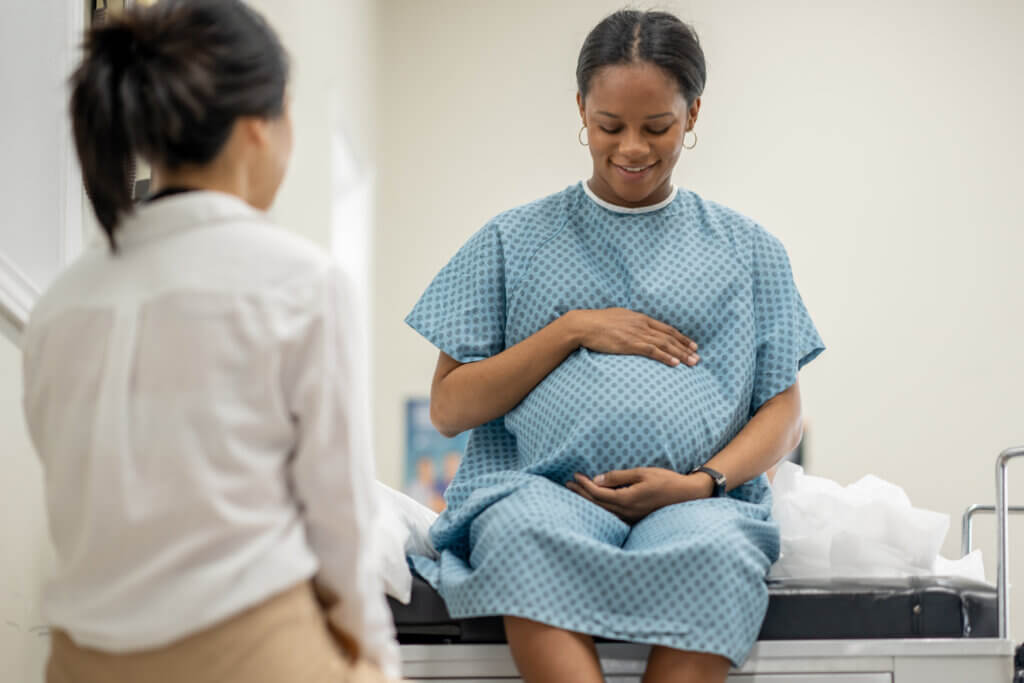
In 2022, 1 in every 10 infants born in the United States was born prematurely, putting them at a higher risk for long-term health problems and complications, disability, and death. A preterm birth is defined as a birth before 37 weeks of pregnancy. Important growth happens during the final weeks of pregnancy, making preterm labor dangerous, especially without medical intervention.
While the causes of preterm births can be unknown, some steps can be taken to support healthy pregnancies and reduce the risk.
NICHQ INitiatives
Our Preterm Birth Work
Preterm birth, a leading cause of infant mortality and morbidity, disproportionately affects Black and Indigenous mothers and babies. Learn helpful strategies for reducing preterm birth rates from NICHQ’s evidence-based projects.






Spread the Word
Prematurity Awareness Month Social Media Toolkit
Help shine a light on the state of maternal and child health in the United States and beyond using this social media toolkit from March of Dimes.
Prematurity Awareness Month Toolkit
Support the advancement of research, education, and advocacy
Publications
Statewide Initiative to Reduce Postnatal Growth Restriction among Infants <31 Weeks of Gestation
Nutritional practices cut postnatal growth restriction in NY preemies by 19% from 2010 to 2013.
Sampling infants born <31 weeks of gestation and admitted to a New York State Regional Perinatal Center within 48 hours of birth who survived to hospital discharge, the New York State Perinatal Quality Collaborative aimed to improve neonatal growth by adopting better nutritional practices.
Findings
The study aimed to decrease the incidence of postnatal growth restriction, defined as discharge weight <10th percentile for postmenstrual age, among preterm infants in New York. We found that statewide collaborative quality improvement in neonatal growth outcomes that were associated with improved neurodevelopment.
NICHQ Insights
Reading List for Prematurity Awareness Month
At NICHQ, we are committed to making healthy pregnancies and infant safety the national norm. Check out our insights to learn how you can support this initiative.

NICHQ News
Stay in the Loop
Get information on observances like Prematurity Awareness Month and other NICHQ news delivered directly to your inbox.
Additional Articles & Resources
March of Dimes Report Card
The 2025 March of Dimes Report Card highlights the latest national and state-level data to provide insight into maternal and infant health, plus recommended actions for positive change.
Signs and Symptoms of Preterm Labor
Labor before 37 weeks may cause severe problems for your baby. Know the signs of preterm labor and what to do if you go into labor early.